

What to Do After a Failed Embryo Transfer
After a failed transfer, your fertility specialist needs to evaluate what happened before planning any changes. That review typically looks at medication protocol, embryo transfer timing and whether diagnostic testing like ERA, hysteroscopy or immunological workup...
PGT-A Testing in India: Cost, When to Do It?
PGT-A screens IVF embryos for chromosomal abnormalities before transfer. It identifies embryos with the correct chromosome count, cutting miscarriage risk and failed transfers in specific patient groups. Not everyone needs it. But for those who do, skipping it is a...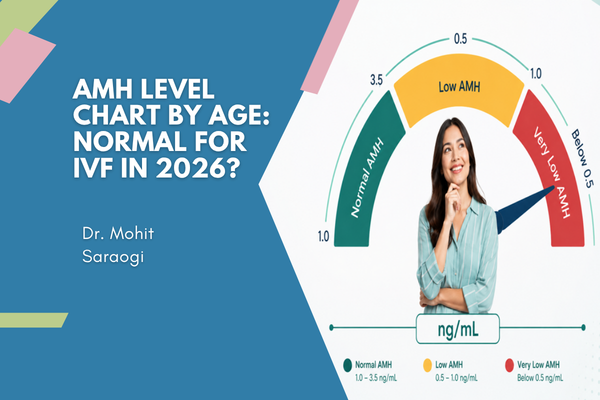
AMH Level Chart by Age: Normal for IVF in 2026
AMH measures ovarian reserve and declines with age,but it says nothing about egg quality or pregnancy likelihood.What it does tell your fertility specialist is how your ovaries will respond to stimulation drugs and what medication dosage your cycle needs to start on...
What Is the Difference Between IUI and Natural Pregnancy?
In natural pregnancy, sperm travels on its own through the cervix and meets the egg in the fallopian tube. With IUI, the sperm is washed in a lab and placed inside the uterus by a doctor, right around the time of ovulation. That single difference is what raises the...