The first 12 weeks represent the most critical period in any IVF pregnancy, as this is when the baby’s major organs and systems develop. Your fertility specialist and Ivf doctor will monitor your progress closely during this time, as the risk of miscarriage...
Bleeding after receiving a positive IVF pregnancy test is surprisingly common and affects approximately 30-40% of pregnancies in the first trimester. While any bleeding can feel alarming after the emotional and physical investment of in vitro fertilisation, it does...
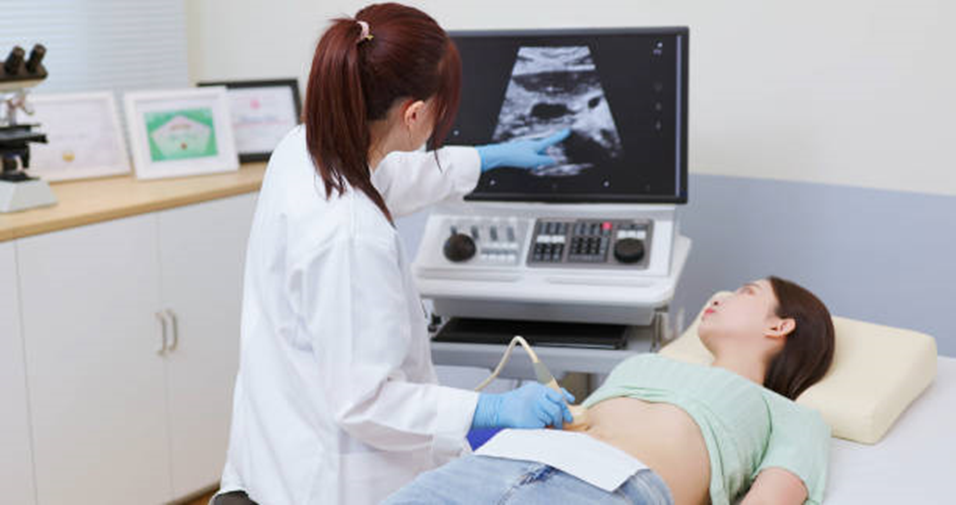
Trying IVF is an emotional rollercoaster of ups and downs: anticipation, anxiety, and, above all, hope. After countless injections, scans, and the awaited embryo transfer, the most anticipated milestone arrives: the first ultrasound after IVF pregnancy. This scan,...
The two-week wait after an embryo transfer can feel endless, by 16 days post embryo transfer, emotions often run high as patients look for signs that the IVF journey has succeeded. During this stage, your body may or may not show pregnancy symptoms, but both...
Infertility affects over 48 million couples worldwide, according to the WHO, with India alone reporting nearly 27.5 million couples struggling to conceive. Assisted Reproductive Technology (ART) has emerged as a powerful solution, and In Vitro Fertilization (IVF)...
In vitro fertilization (IVF) is a medical procedure designed to help couples struggling with infertility. It involves the fertilization of an egg with sperm outside the body, followed by transferring the resulting embryo into the woman’s uterus. While IVF has...