Intracytoplasmic Sperm Injection (ICSI) followed by embryo transfer has become one of the most reliable assisted reproductive technology (ART) treatments in India. With advanced lab protocols, AI-powered embryo selection, blastocyst culture, and improved cryopreservation methods, the ICSI success rate in 2026 has reached new heights, offering hope to thousands of couples facing male-factor infertility and unexplained infertility.
“ICSI doesn’t just bypass fertilisation barriers, it gives couples a real, measurable chance at parenthood,” says Dr. Mohit Saraogi, one of Mumbai’s leading IVF and fertility specialists at Saraogi Hospital.
What Is ICSI Embryo Transfer?
ICSI is an advanced form of in vitro fertilisation (IVF) where a single healthy sperm is injected directly into a mature egg using a microscopic needle. The fertilised egg is cultured into an embryo for 3 to 5 days, after which the best-quality embryo is transferred into the woman’s uterus.
ICSI is primarily recommended for:
- Z Male-factor infertility (low sperm count, poor motility, abnormal morphology)
- Z Repeated IVF or fertilisation failures
- Z Cases requiring preimplantation genetic testing (PGT-A)
- Z Frozen sperm or surgically retrieved sperm (TESA/PESA)
Couples opting for ICSI Treatment in Mumbai benefit from advanced techniques like IMSI, PICSI, and time-lapse embryo monitoring.
ICSI Embryo Transfer Success Rate in India in 2026
In 2026, the average ICSI embryo transfer success rate in India ranges between 50% and 60% per transfer for women under 35. At top fertility centres in Mumbai, Delhi, Bengaluru, and Hyderabad using advanced protocols (blastocyst culture, AI-assisted embryo selection, and ERA-guided transfers), success rates climb to 65% to 70% for young patients.
Success Rates by Maternal Age (Per Transfer)
| Age Group | Approx. Success Rate (ICSI, per transfer) | Notes |
| Under 35 | 50% to 60% (up to 65% to 70% at top clinics) | Best outcomes |
| 35 to 37 | 35% to 40% | Slight decline |
| 38 to 40 | 25% to 35% | Moderate decline |
| 41 to 42 | 20% to 30% | Significant drop |
| Above 42 | 10% to 20% | Donor eggs often recommended |
When donor eggs are used for women over 40, success rates can rebound to 55% or higher.
Key Factors Affecting ICSI Embryo Transfer Success in 2026
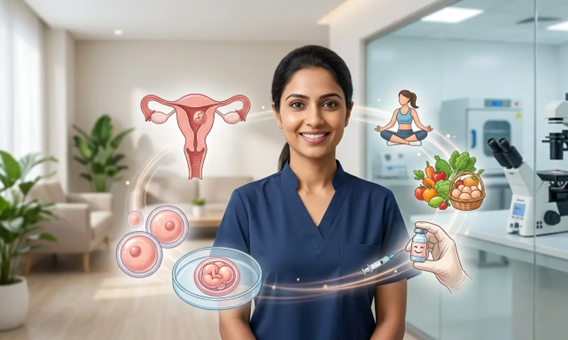
Several biological and clinical factors decide the final outcome of an ICSI cycle:
- Z Maternal Age and Ovarian Reserve: Younger women produce healthier eggs and embryos, leading to higher implantation rates.
- Z Embryo Quality: High-grade blastocysts (Day 5 embryos) have the strongest implantation potential.
- Z Endometrial Receptivity: A receptive uterine lining is essential. ERA testing helps time transfers precisely.
- Z Sperm Quality: Even with ICSI, high DNA fragmentation can affect embryo development.
- Z Lifestyle and Health: Smoking, obesity, thyroid issues, PCOS, and chronic stress reduce success.
- Z Lab and Clinic Expertise: AI-assisted grading, time-lapse incubators, and skilled embryologists make a measurable difference.
How AI and ERA Are Improving ICSI Success in 2026
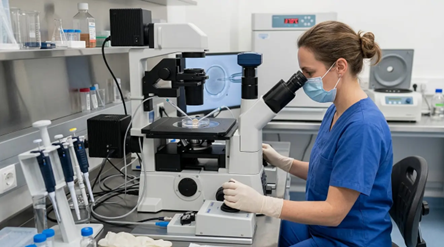
AI-Assisted Embryo Selection
AI systems analyse time-lapse embryo images and detect subtle developmental patterns that human embryologists might miss. This reduces subjectivity, improves embryo grading consistency, and helps select the most viable embryo for transfer. Studies show AI-driven embryo selection can boost IVF and ICSI success rates by 10% to 15%, especially in high-volume clinics.
ERA (Endometrial Receptivity Analysis)
ERA analyses the endometrium to identify each woman’s unique “window of implantation,” allowing precisely timed embryo transfers. For patients with previous implantation failures or recurrent pregnancy loss, ERA-guided transfer can significantly improve pregnancy odds.
Top fertility hospitals in India now combine ICSI + blastocyst culture + AI selection + ERA testing, reporting higher per-transfer pregnancy rates for women under 35.
Frozen vs Fresh ICSI Embryo Transfer: 2026 Data
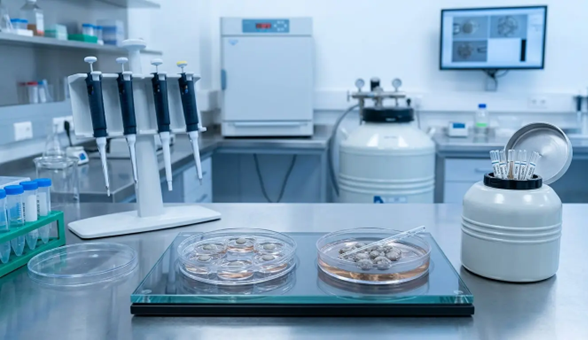
Yes, frozen embryo transfer (FET) cycles often deliver equal or better success rates than fresh cycles in 2026. Vitrification preserves embryo viability with over 95% survival, and the uterus recovers from ovarian stimulation, creating a more receptive environment for implantation.
Top clinics offering Frozen Embryo Transfer Treatment in Mumbai report FET success rates of 65% to 72% in women under 35.
When to Consult a Fertility Specialist for ICSI Treatment
It’s time to see a fertility expert if you experience:
- Difficulty conceiving for more than 12 months (or 6 months if you’re over 35)
- Male-factor infertility, low sperm count, or poor motility
- Previous IVF or ICSI failures
- Recurrent pregnancy loss or implantation failure
- Diagnosed conditions like PCOS, endometriosis, or blocked tubes
“Don’t delay. Time is the most valuable factor in fertility care,” says Dr. Saraogi.
Cost of ICSI Embryo Transfer in India (2026)

The cost of an ICSI cycle in India typically ranges between ₹1,50,000 and ₹2,80,000 per cycle, depending on:
- Z Clinic reputation and location
- Z Fertility medications and stimulation protocols
- Z Lab technology (AI embryo selection, time-lapse incubators)
- Z Add-on procedures (PGT-A, ERA, assisted hatching)
- Z Frozen embryo storage and FET fees
Despite advanced technology, India remains one of the most affordable destinations for ICSI treatment, attracting medical tourists from across the globe.
Let’s wrap this up:
Conclusion
At Saraogi Hospital, our patient-first approach combines diagnostic precision, advanced reproductive technology, and compassionate care, so you’re not just treated, but truly supported on your journey. For deeper understanding, explore our detailed guide on IVF vs ICSI vs IMSI: Which Is Right? to choose the most suitable treatment for your needs.
Frequently Asked Questions
Q1: Is ICSI embryo transfer safe for the baby?
Q2: What is the cost of an ICSI embryo transfer cycle in India in 2026?
Q3: How long does the entire ICSI embryo transfer process take?
Q4: Can ICSI be combined with PGT-A testing to improve success rates?
Q5: Is bed rest required after ICSI embryo transfer?
References
- Cleveland Clinic – Intracytoplasmic Sperm Injection (ICSI): https://my.clevelandclinic.org/health/treatments/22890-intracytoplasmic-sperm-injection-icsi
- NCBI – Intracytoplasmic Sperm Injection Overview: https://www.ncbi.nlm.nih.gov/books/NBK576409/
- ICMR – Indian Council of Medical Research, National ART Registry: https://www.icmr.gov.in/
- ESHRE – ART and ICSI Guidelines: https://www.eshre.eu/Guidelines-and-Legal
Disclaimer: The content shared on this page is for informational purposes and not for promotional use.