

Surrogacy in India: Your Complete Guide to Cost, Process & Legal Requirements in 2026
Surrogacy in India offers hope for couples facing medical challenges that prevent natural pregnancy. It’s a legally recognized, scientifically advanced pathway to parenthood—but only when other fertility treatments haven’t worked.
At Saraogi Hospital, we’ve guided hundreds of intended parents through India’s surrogacy journey with Dr. Mohit Saraogi’s expertise, transparency, and adherence to the strict Surrogacy (Regulation) Act 2021. Our success rates range from 50-80%, among the highest in India which is why people choose us as the best Surrogacy Hospital in India.
This comprehensive guide walks you through:
• What surrogacy truly is and when it’s medically necessary
• India’s legal requirements and the 2021 Surrogacy Act
• Step-by-step surrogacy process at Saraogi Hospital
• Surrogate eligibility criteria and selection
• Complete cost breakdown (transparent pricing)
• Why 500+ couples chose us for their surrogacy journey
Dr. Mohit Saraogi, a leading surrogacy specialist with 15+ years of experience, personally oversees every case. Our commitment: making surrogacy accessible, ethical, and successful. What is the surrogacy cost in India? You’ll get to know all about this here.
So, who might consider surrogacy
What Is Gestational Surrogacy in India? When Is It Medically Necessary?

Surrogacy is an assisted reproductive process in which a surrogate carries and delivers a baby on behalf of a couple, called the intended parents. The embryo is created using in vitro fertilization (IVF), where eggs and sperm from the intended parents (or donors, if required) are fertilized in a lab and then transferred into the surrogate’s uterus.
In gestational surrogacy India, which is the only legally allowed form of surrogacy in India, the surrogate has no genetic connection to the child. This ensures that the baby is biologically related to the intended parents while the surrogate provides the nurturing environment for growth and birth.
Unsure about the surrogacy process or eligibility? Book a consultation to get clarity from a fertility specialist.
5 Key Reasons You May Need Surrogacy in India

- Women with an absent or medically unfit uterus
- Those who have undergone multiple failed IVF cycles or recurrent miscarriages
- Women with health conditions that make pregnancy unsafe (e.g., severe heart disease, kidney issues)
- Couples with repeated implantation failures despite good-quality embryos
- Individuals for whom pregnancy poses life-threatening risks or is medically contraindicated
Surrogacy is not a first-line fertility option; it is reserved for situations where other assisted reproductive approaches are insufficient or unsafe.
Saraogi Hospital's 5-Step Surrogacy Process in India
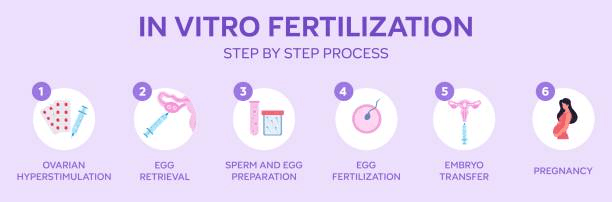
Let’s take a look at the Surrogacy process in India at Saraogi Hospital, guided by Dr. Mohit Saraogi, a leading surrogacy doctor in India.
- Consultation
Our Surrogacy process in India begins with a detailed consultation with Dr. Mohit Saraogi, where your fertility history is reviewed. Medical tests are done to check reproductive health and plan the right treatment approach.
- Treatment planning and counselling
Once eligibility is confirmed, a personalized plan is made. Couples receive counselling on medical procedures, surrogate selection, and legal guidelines to ensure clarity at every step.
- Egg retrieval and fertilization
The intended mother (or donor) undergoes ovarian stimulation. Eggs are retrieved and fertilized with the partner’s sperm using advanced IVF techniques.
- Embryo transfer
Healthy embryos are transferred into the surrogate’s uterus under expert guidance, ensuring precision and care for a successful pregnancy.
- Pregnancy monitoring and delivery
The surrogate receives continuous monitoring, antenatal checkups, and emotional support until delivery. After birth, the baby is safely handed over to the intended parents following all legal formalities.
Let’s find out who can become a surrogate in India
Surrogate Eligibility Under India's 2021 Surrogacy Act: Complete Requirements

The Surrogacy (Regulation) Act 2021 India sets strict eligibility criteria to protect the health, safety, and rights of both the surrogate and the child. At Saraogi Hospital, all surrogates are carefully screened to meet these legal and medical Surrogacy requirements India.
Who Can Be a Surrogate?
- Age: Between 25 and 35 years
- Marital status: Must be ever married and have at least one living child
- Relation: Should be a close relative of the intended parents (e.g., sister, sister-in-law)
- Medical fitness: Physically and mentally healthy, with no conditions that could complicate pregnancy
- Surrogacy limit: Can act as a surrogate only once in her lifetime
- Eggs: Cannot use her own eggs; the child must be genetically related to the intended parents
Are you looking for a safe and ethical way to achieve parenthood? Schedule a consultation to understand your options.
Let’s find out who can become a surrogate in India
Surrogacy Cost in India 2026: Price Breakdown & Affordable Payment Plans
The Surrogacy in India cost can vary depending on several factors, including:
- Type of IVF cycle (fresh or frozen)
- Medications for the intended parents and the surrogate
- Medical tests and evaluations
- Antenatal care during the surrogate’s pregnancy
- Legal compliance and documentation
At Saraogi Hospital, surrogacy is made more accessible with affordable IVF rates in Mumbai and flexible payment options.
Let’s understand how surrogacy is regulated in India
Surrogacy Law in India: Surrogacy (Regulation) Act 2021 & Compliance Guide
Surrogacy in India is strictly governed by the Surrogacy (Regulation) Act 2021 and its rules. Key points include:
- Only altruistic surrogacy is allowed (no commercial payments to the surrogate)
- Surrogates must meet Surrogate eligibility India criteria as per the law.
- Intended parents must be legally married and Indian citizens.
- All arrangements require approval from the appropriate authority.
- Legal documents ensure the rights of the surrogate and intended parents, and the child’s parentage is clearly established.
At Saraogi Hospital, every surrogacy journey and Infertility treatment is conducted in full compliance with Indian law, ensuring a safe, ethical, and transparent process for families and surrogates alike.
Here’s why Saraogi Hospital stands out
Why Choose Saraogi Hospital for Surrogacy in India: Expert Care & High Success Rates

- Experienced leadership: Mohit Saraogi, a seasoned IVF doctor in Mumbai and surrogacy specialist, guides every treatment with precision and care.
- Advanced technology: State-of-the-art IVF and embryology labs ensure the highest Surrogacy success rate India.
- Ethical and transparent practices: All procedures comply with Indian Surrogacy law India, prioritizing safety and rights for both surrogate and intended parents.
- Comprehensive care: From consultation to delivery, every stage of surrogacy treatment in India is managed with personalized attention and continuous support.
- Proven success: Saraogi Hospital has consistently helped couples achieve parenthood, with success rates ranging from 50% to 80% depending on individual cases.
- Cost-effective pricing: The hospital offers some of the most affordable IVF cost in Mumbai, along with flexible payment options to make the journey easier for families.
Explore how surrogacy can make your parenthood dreams a reality and what is the Surrogacy cost in India — schedule an appointment today
Surrogacy Success Rates in India: 50-80% Live Birth Rate at Saraogi Hospital
At Saraogi Hospital, success rates for surrogacy treatment range between 50% and 80%, depending on individual medical conditions and treatment plans. Factors influencing Surrogacy success rate India include:
- Age and health of the intended parents
- Quality of eggs and sperm
- Surrogate’s health and uterine environment
- IVF cycle type and embryo quality
Surrogacy FAQs: 12 Common Questions About Surrogacy in India Answered
1. How are surrogates selected and screened in India?
Surrogates are carefully selected based on strict medical, psychological, and legal criteria under the Surrogacy (Regulation) Act 2021. At Saraogi Hospital, each surrogate undergoes comprehensive health screening, age verification (between 25-35 years), and relationship confirmation. We ensure they have at least one living child and meet all eligibility requirements. Our personalized matching process considers intended parents’ preferences while prioritizing the surrogate’s wellbeing and safety throughout the journey.
2. Who is eligible for surrogacy in India? Can single parents or LGBTQ+ couples do surrogacy?
Under India’s Surrogacy (Regulation) Act 2021, surrogacy is currently available only to legally married heterosexual couples. Single parents, divorced individuals, and same-sex couples are not eligible under current Indian law. However, if you fall into these categories, alternative options like adoption or egg donation may be worth exploring. We recommend consulting with our specialists to understand all available pathways to parenthood suited to your circumstances.
3. What is the complete surrogacy timeline in India? How long does it take from start to delivery?
The complete surrogacy process in India typically takes 12-18 months from initial consultation to delivery. This includes: consultation and testing (1-2 months), surrogate selection and screening (2-4 weeks), IVF cycle and embryo transfer (1-2 months), pregnancy monitoring (9 months), and post-delivery legal formalities (2-4 weeks). Timeline can vary based on medical factors, legal requirements, and individual circumstances. At Saraogi Hospital, we maintain transparent communication about expected timelines and any potential delays.
4. What is the surrogacy cost in India? What does Saraogi Hospital charge?
Surrogacy costs in India typically range from ₹15-25 lakhs depending on medical procedures, surrogate support, legal documentation, and antenatal care. At Saraogi Hospital, our transparent pricing includes IVF treatment, medical tests, surrogate’s medical expenses, living allowance, legal compliance, and post-delivery support. We offer flexible payment plans and can provide a detailed cost breakdown during your consultation. Unlike other clinics, we have no hidden charges. Contact us for a personalized quote based on your specific situation.
5. What is gestational surrogacy? How is it different from traditional surrogacy?
Gestational surrogacy is the only legally permitted form of surrogacy in India. In this process, the surrogate carries a baby created from the intended parents’ or donors’ egg and sperm. The surrogate has no genetic connection to the child. This differs from traditional surrogacy, where the surrogate’s own egg is used, making her genetically related to the baby. Traditional surrogacy is not allowed in India. Gestational surrogacy ensures the baby is biologically related to the intended parents while protecting all parties legally and ethically.
6. Is surrogacy legal in India? What is the Surrogacy (Regulation) Act 2021?
Yes, surrogacy is legal in India under the Surrogacy (Regulation) Act 2021. This law governs all surrogacy arrangements to protect the rights and safety of intended parents, surrogates, and children. Key provisions include: only gestational surrogacy is permitted, altruistic arrangement (no commercial payments), surrogates must be close relatives, intended parents must be legally married Indian citizens, and proper medical and legal oversight is mandatory. At Saraogi Hospital, we strictly comply with all legal requirements, ensuring your surrogacy journey is fully protected under Indian law.
7. Is surrogacy safe? What medical risks should I know about?
Surrogacy is a medically safe procedure when conducted by qualified fertility specialists in accredited centers. Like any pregnancy, there are standard risks including gestational diabetes, preeclampsia, and delivery complications. Surrogates receive comprehensive prenatal care, regular monitoring, and immediate medical support if complications arise. At Saraogi Hospital, our ICMR-accredited facility follows international safety standards. Both the surrogate and the developing baby are monitored continuously. We maintain full insurance coverage and have protocols for managing any medical emergencies. Your safety and the baby’s health are our top priority.
8. Why choose Saraogi Hospital for surrogacy? What makes your success rates so high?
Saraogi Hospital stands out with a 50-80% live birth success rate, among India’s highest. This is because of: experienced leadership by Dr. Mohit Saraogi with 15+ years of surrogacy expertise, ICMR and FIGO accreditation, advanced embryology labs with state-of-the-art technology, board-certified embryologists who ensure high-quality embryo development, and personalized care for each couple. We’ve successfully guided 500+ intended parents to parenthood with 1,000+ healthy live births. Our transparent pricing, ethical practices, and comprehensive emotional support make the journey stress-free. Schedule a consultation with Dr. Saraogi to understand how we can help you.
9. What emotional support and counseling are provided during surrogacy?
Surrogacy is an emotional journey for intended parents and surrogates alike. At Saraogi Hospital, we provide comprehensive support including: fertility counseling before treatment begins, regular check-ins during the pregnancy, guidance on managing emotions during the waiting period, support groups with other surrogacy families, and post-delivery counseling for bonding and adjustment. Our team understands the psychological aspects of surrogacy and ensures both intended parents and the surrogate feel emotionally supported throughout the process. Mental health is as important as physical health in our care approach.
10. What happens if the surrogate miscarries? What is the refund or guarantee policy?
Miscarriage is rare but can occur in any pregnancy. At Saraogi Hospital, if a miscarriage happens, we provide full medical and emotional support to the surrogate and intended parents. Regarding refunds or guarantees: our policy allows for repeat embryo transfers if high-quality embryos are available. We discuss refund options during consultation based on your specific circumstances and insurance coverage. While no clinic can guarantee pregnancy, our high success rates reflect our commitment to excellence. We’re transparent about policies upfront so there are no surprises. Discuss these details during your initial consultation.
11. Can intended parents meet the surrogate before pregnancy? How much contact is maintained?
Yes, at Saraogi Hospital, intended parents and surrogates can meet before pregnancy begins if both parties agree. This meeting allows them to understand each other, discuss expectations, and build trust. After pregnancy begins, communication frequency depends on what both parties are comfortable with. Some families maintain regular contact throughout pregnancy and beyond, while others prefer limited interaction. We facilitate healthy communication while respecting everyone’s boundaries. Clear communication agreements are established upfront to prevent misunderstandings. Our team helps mediate and support positive relationships between all parties.
12. What happens after the baby is born? How is legal custody transferred to intended parents?
After delivery, legal formalities are completed to establish the intended parents as the baby’s legal guardians. This involves: birth registration in the intended parents’ name, legal documentation certifying the surrogate has no parental rights or obligations, and completion of all court procedures as per Surrogacy Act 2021. The surrogate receives post-delivery care and support from our hospital. At Saraogi Hospital, our legal team handles all documentation to ensure smooth transfer of custody and protect everyone’s interests. The baby is discharged directly to the intended parents. We provide guidance on post-delivery bonding, infant care, and follow-up medical checkups for both mother and baby.
Total: 12 FAQ Questions & Answers Ready to Upload
5. What is gestational surrogacy? How is it different from traditional surrogacy?
Gestational surrogacy is the only legally permitted form of surrogacy in India. In this process, the surrogate carries a baby created from the intended parents’ or donors’ egg and sperm. The surrogate has no genetic connection to the child. This differs from traditional surrogacy, where the surrogate’s own egg is used, making her genetically related to the baby. Traditional surrogacy is not allowed in India. Gestational surrogacy ensures the baby is biologically related to the intended parents while protecting all parties legally and ethically.
6. Is surrogacy legal in India? What is the Surrogacy (Regulation) Act 2021?
Yes, surrogacy is legal in India under the Surrogacy (Regulation) Act 2021. This law governs all surrogacy arrangements to protect the rights and safety of intended parents, surrogates, and children. Key provisions include: only gestational surrogacy is permitted, altruistic arrangement (no commercial payments), surrogates must be close relatives, intended parents must be legally married Indian citizens, and proper medical and legal oversight is mandatory. At Saraogi Hospital, we strictly comply with all legal requirements, ensuring your surrogacy journey is fully protected under Indian law.
7. Is surrogacy safe? What medical risks should I know about?
Surrogacy is a medically safe procedure when conducted by qualified fertility specialists in accredited centers. Like any pregnancy, there are standard risks including gestational diabetes, preeclampsia, and delivery complications. Surrogates receive comprehensive prenatal care, regular monitoring, and immediate medical support if complications arise. At Saraogi Hospital, our ICMR-accredited facility follows international safety standards. Both the surrogate and the developing baby are monitored continuously. We maintain full insurance coverage and have protocols for managing any medical emergencies. Your safety and the baby’s health are our top priority.
8. Why choose Saraogi Hospital for surrogacy? What makes your success rates so high?
Saraogi Hospital stands out with a 50-80% live birth success rate, among India’s highest. This is because of: experienced leadership by Dr. Mohit Saraogi with 15+ years of surrogacy expertise, ICMR and FIGO accreditation, advanced embryology labs with state-of-the-art technology, board-certified embryologists who ensure high-quality embryo development, and personalized care for each couple. We’ve successfully guided 500+ intended parents to parenthood with 1,000+ healthy live births. Our transparent pricing, ethical practices, and comprehensive emotional support make the journey stress-free. Schedule a consultation with Dr. Saraogi to understand how we can help you.
9. What emotional support and counseling are provided during surrogacy?
Surrogacy is an emotional journey for intended parents and surrogates alike. At Saraogi Hospital, we provide comprehensive support including: fertility counseling before treatment begins, regular check-ins during the pregnancy, guidance on managing emotions during the waiting period, support groups with other surrogacy families, and post-delivery counseling for bonding and adjustment. Our team understands the psychological aspects of surrogacy and ensures both intended parents and the surrogate feel emotionally supported throughout the process. Mental health is as important as physical health in our care approach.
10. What happens if the surrogate miscarries? What is the refund or guarantee policy?
Miscarriage is rare but can occur in any pregnancy. At Saraogi Hospital, if a miscarriage happens, we provide full medical and emotional support to the surrogate and intended parents. Regarding refunds or guarantees: our policy allows for repeat embryo transfers if high-quality embryos are available. We discuss refund options during consultation based on your specific circumstances and insurance coverage. While no clinic can guarantee pregnancy, our high success rates reflect our commitment to excellence. We’re transparent about policies upfront so there are no surprises. Discuss these details during your initial consultation.
11. Can intended parents meet the surrogate before pregnancy? How much contact is maintained?
Yes, at Saraogi Hospital, intended parents and surrogates can meet before pregnancy begins if both parties agree. This meeting allows them to understand each other, discuss expectations, and build trust. After pregnancy begins, communication frequency depends on what both parties are comfortable with. Some families maintain regular contact throughout pregnancy and beyond, while others prefer limited interaction. We facilitate healthy communication while respecting everyone’s boundaries. Clear communication agreements are established upfront to prevent misunderstandings. Our team helps mediate and support positive relationships between all parties.
12. What happens after the baby is born? How is legal custody transferred to intended parents?
After delivery, legal formalities are completed to establish the intended parents as the baby’s legal guardians. This involves: birth registration in the intended parents’ name, legal documentation certifying the surrogate has no parental rights or obligations, and completion of all court procedures as per Surrogacy Act 2021. The surrogate receives post-delivery care and support from our hospital. At Saraogi Hospital, our legal team handles all documentation to ensure smooth transfer of custody and protect everyone’s interests. The baby is discharged directly to the intended parents. We provide guidance on post-delivery bonding, infant care, and follow-up medical checkups for both mother and baby.