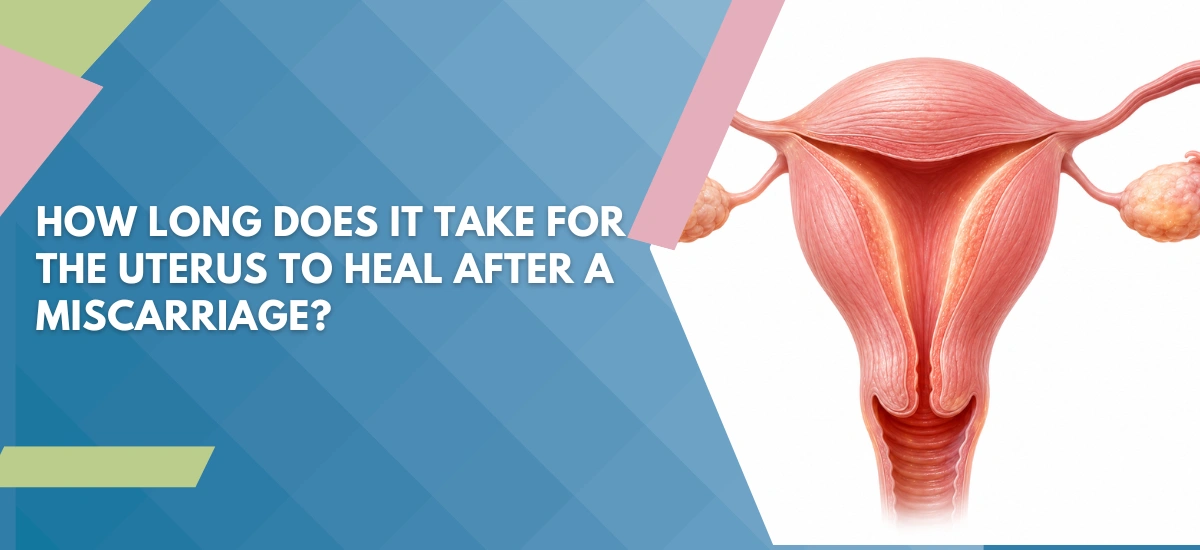
Usually 2 to 6 weeks. That’s the short answer. How long it actually takes for you depends on how far along you were, whether the miscarriage was complete on its own or needed a procedure, and how your body generally responds to hormonal shifts.”The...
Sperm quality plays a bigger role in IVF and ICSI success than most couples realize, and it’s one of the first things a fertility specialist at Saraogi Hospital looks at before starting treatment. The short answer to how long does it take to improve sperm...
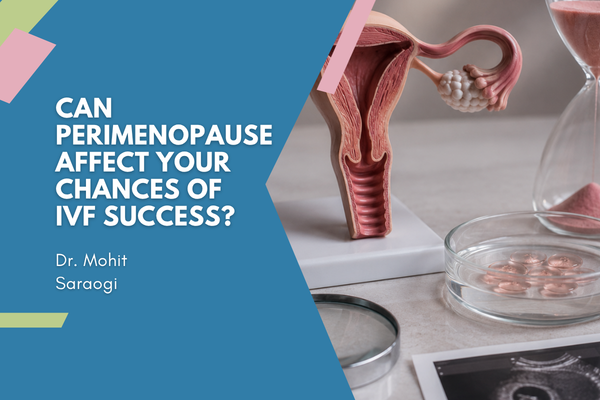
Perimenopause changes the odds of IVF success when using your own eggs. Ovarian reserve declines, hormone levels fluctuate, and chromosomal abnormalities in the remaining eggs become more common during this transition. These shifts make conception with your own eggs...
Secondary infertility catches many couples by surprise, since a previous successful pregnancy doesn’t guarantee the next one will follow the same path. It refers to difficulty conceiving, or carrying a pregnancy to term, after having conceived successfully...
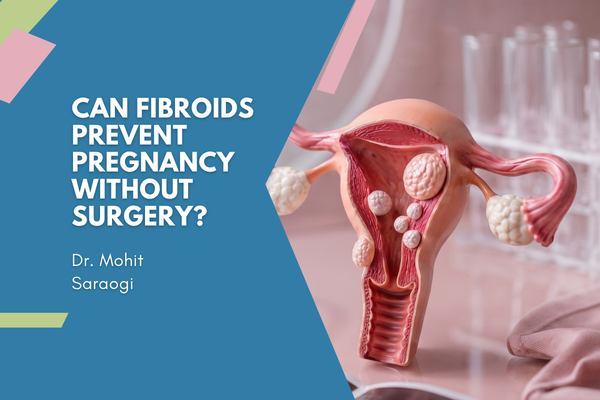
Fibroids can prevent pregnancy, but not always, and not automatically. It depends entirely on their size, number, and where they’re sitting inside the uterus. Many women with fibroids conceive naturally without any intervention. Others find that fibroids are...