

Trying IVF is an emotional rollercoaster of ups and downs: anticipation, anxiety, and, above all, hope. After countless injections, scans, and the awaited embryo transfer, the most anticipated milestone arrives: the first ultrasound after IVF pregnancy. This scan, usually scheduled around the 6th to 7th week, offers the first glimpse into whether the embryo has implanted successfully and if the pregnancy is developing as expected.
Dr. Mohit Saraogi, an acclaimed Fertility Specialist in Mumbai, says:
“The first ultrasound after IVF pregnancy is not just a diagnostic scan; it’s a deeply emotional moment that validates the couple’s long journey toward parenthood. Seeing the gestational sac or the flicker of a heartbeat reassures both doctors and parents that the treatment has borne fruit. It’s also when we begin to truly personalize care for the pregnancy ahead.”
Let’s explore what really goes on in your mind before that moment arrives.
Understanding the Emotions before the First IVF Ultrasound
After undergoing IVF, couples experience heightened emotions before the first scan. The anticipation of confirming a heartbeat can lead to sleepless nights. Remember, this mix of excitement and anxiety is part of the IVF journey itself.

Here’s why this anxiety often surfaces:
Emotional investment: IVF involves months of dedication and financial and emotional commitment. The first scan feels like the final verdict.
Hormonal changes: Elevated progesterone and estrogen levels can amplify emotional responses.
Previous experiences: Those who have faced past miscarriages or failed cycles may experience intensified worry.
Uncertainty: Until the heartbeat is seen, parents-to-be often struggle to believe the success is real.
Dr. Mohit Saraogi, a leading IVF Doctor in Mumbai, explains:
“Patients often ask if it’s normal to be this nervous before the first scan. I remind them that anxiety is a reflection of how much this means to them. The key is to stay informed—knowing what to expect reduces stress and helps you emotionally prepare for every outcome.”
Feeling overwhelmed before your first IVF scan? Speak to a fertility expert to understand the process and receive professional emotional support tailored to your needs.
Wondering what happens if your doctor doesn’t detect a heartbeat yet? Let’s discuss this crucial scenario next.
Dealing with the Absence of a Heartbeat in the First IVF Ultrasound
Not seeing a heartbeat at the first scan doesn’t always mean bad news. The timing of the ultrasound plays a critical role. Typically, a heartbeat appears around 6–7 weeks of gestation, but it can be delayed if implantation occurred later than expected.

Here’s what might happen:
- If only a gestational sac is seen, this could mean the pregnancy is still in its very early stage.
- If a yolk sac is visible but there’s no heartbeat yet, your doctor may suggest another scan in 5–7 days to check for cardiac activity.
- If the sac is empty at 7+ weeks, further evaluation might be needed to rule out a blighted ovum or missed miscarriage.
Dr. Mohit Saraogi, a distinguished IVF Specialist in Mumbai, shares:
“In IVF pregnancies, even a day’s difference in embryo implantation can shift what we see on ultrasound. Patience is crucial. We never jump to conclusions after a single scan. A follow-up is often all it takes to confirm a healthy fetal heartbeat.”
So, when exactly should you plan your first ultrasound after embryo transfer? Let’s decode the timeline next.
Ideal Timing for the First Ultrasound after IVF Embryo Transfer
The ideal time for the first ultrasound after IVF embryo transfer is typically 6 to 7 weeks after transfer, or about 2–3 weeks after a positive pregnancy test.
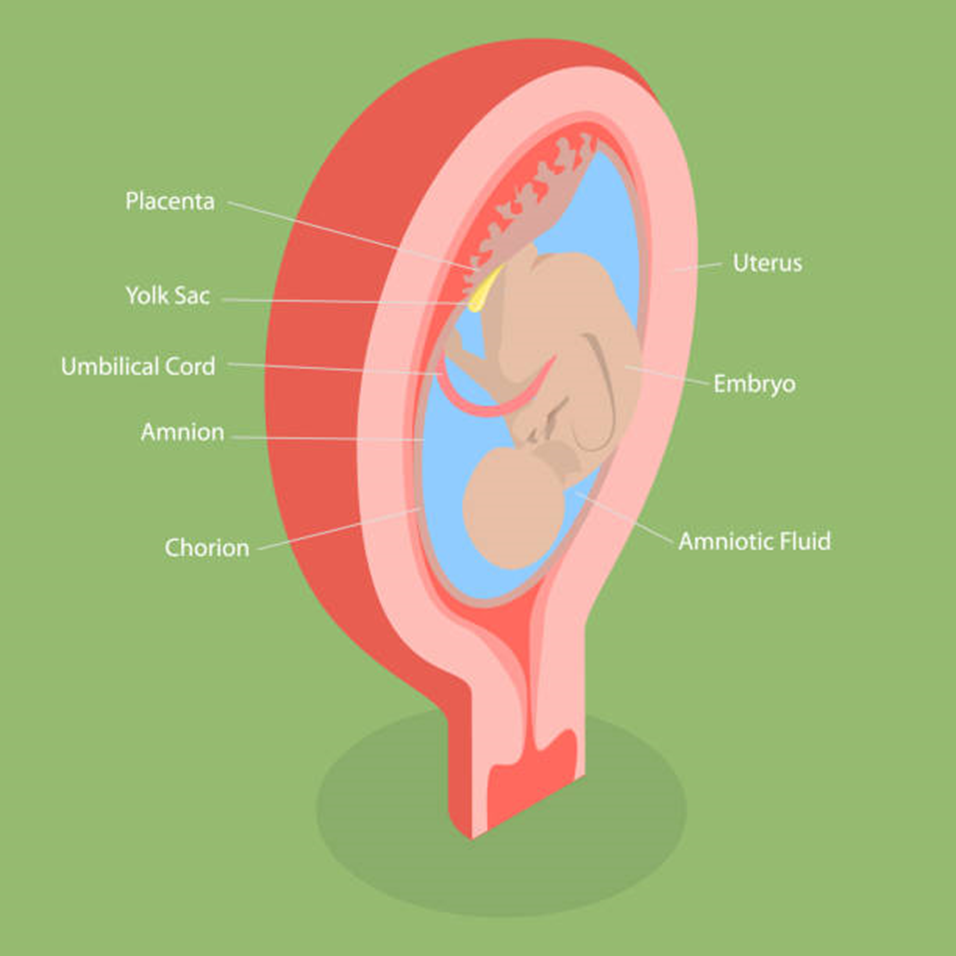
Here’s what doctors usually look for at each stage:
5 weeks: A small gestational sac may be visible.
5.5–6 weeks: A yolk sac starts forming inside the gestational sac.
6–7 weeks: A fetal pole and cardiac activity (heartbeat) become detectable.
Performing the ultrasound too early can lead to unnecessary anxiety because the fetus or heartbeat might not be visible yet.
Dr. Mohit Saraogi, a celebrated IVF Doctor in Mumbai, explains:
“Timing is everything in IVF. We generally schedule the first scan at the right developmental window to avoid false alarms. Proper timing ensures accurate results and gives parents the joy of seeing that first heartbeat without unnecessary distress.”
Unsure when to schedule your IVF ultrasound? Consult a qualified fertility professional to receive personalized guidance based on your treatment and implantation timeline.
Now that we’ve covered timing, let’s explore what a normal first ultrasound report looks like after IVF.
Interpreting a Normal First Ultrasound Report After IVF
Not seeing a heartbeat at the first scan doesn’t always mean bad news. The timing of the ultrasound plays a critical role. Typically, a heartbeat appears around 6–7 weeks of gestation, but it can be delayed if implantation occurred later than expected.
A normal first ultrasound after IVF pregnancy is a reassuring sign of successful implantation and healthy progression. Here’s what your doctor typically checks:
Gestational sac: A small fluid-filled sac in the uterus confirms intrauterine pregnancy.
Yolk sac: Appears within the gestational sac; provides nutrients to the embryo.
Fetal pole: The early embryo structure, seen around 6 weeks.
Heartbeat: The most awaited moment—visible as a flicker with rates between 100–120 bpm at this stage.
No abnormalities: The presence of one or more sacs depending on embryo transfer confirms a singleton or multiple pregnancy.
Globally, studies indicate that about 95% of IVF pregnancies showing a heartbeat at 7 weeks continue successfully to term. In India, with advancements in fertility technology, the IVF success rate has risen to around 50–55% at reputed centres such as Saraogi IVF Centre in Mumbai.
Dr. Mohit Saraogi, a reputed Fertility Specialist in Mumbai, remarks:
“A normal ultrasound reassures us that the embryo is thriving and the uterine environment is supporting growth. For many parents, that tiny flicker of life is the most beautiful reward for their patience and perseverance.”
As you take in the joy of your first ultrasound, let’s wrap up with how expert care and emotional guidance can make all the difference ahead.
Conclusion
The first ultrasound after IVF pregnancy is more than a medical test—it’s an emotional affirmation that the journey through fertility treatment has been worth every step. It provides clarity, reassurance, and marks the true beginning of your pregnancy journey.
At Saraogi IVF Centre in Mumbai, patients receive holistic fertility care that blends advanced technology with compassion under the expert guidance of Dr. Mohit Saraogi. His team ensures that every couple is informed, supported, and emotionally prepared for each stage of pregnancy.
Preparing for your first IVF pregnancy scan? Reach out to a fertility specialist to receive professional advice and compassionate guidance for a confident, well-prepared experience.
Still have lingering questions? Let’s address the most common ones next!
Frequently Asked Questions
Can the first IVF ultrasound detect multiple pregnancies?
Why is my doctor scheduling a second ultrasound after the first one?
Is the first ultrasound after IVF different from a natural pregnancy ultrasound?
What should I do to prepare for my first IVF ultrasound?
What happens if the heartbeat stops after being detected once?
References:
https://fertilitysa.com/blog/the-ultrasound-schedule-after-ivf/
https://monashivf.com/services/fertility-treatment-options/the-ivf-process/
Disclaimer: The information shared in this content is for educational purposes only and not for promotional use.