

For the majority of women, the ideal of motherhood is a treasured one. However, there are instances when a hysterectomy is medically required due to conditions like endometriosis, uterine fibroids, or other serious infections. Although this surgical removal of the uterus is life-saving, it eliminates forever the possibility of pregnancy.
Over 1.2 million hysterectomies are carried out annually worldwide, and 3–4% of Indian women between the ages of 30 and 49 are thought to have had the surgery. After a hysterectomy, surrogacy gives these women new hope: the opportunity to conceive a biological child even though they are no longer able to carry one.
One of Mumbai’s top IVF centers, Saraogi Hospital & IRIS IVF Centre, offers couples individualized fertility treatment backed by cutting-edge technology and sympathetic counseling. Renowned fertility specialist Dr. Mohit Saraogi explains,
“Hysterectomy is not the end of your aspiration to become a mother. Thanks to the latest reproductive medicine and surrogacy following hysterectomy, women can still enjoy the bliss of having a genetically connected child. The most important thing is hope, right counseling, and a support team who knows your emotional and medical process.”
This blog explores the path to parenthood through surrogacy after hysterectomy — from medical possibilities to emotional resilience.
Ready to understand how surrogacy can still make biological parenthood possible after a hysterectomy? Let’s uncover the science behind it.
Biological Motherhood through Surrogacy – Is it Possible?
Yes, it’s entirely possible — and increasingly successful — for women to have a biological baby after a hysterectomy through gestational surrogacy. In this method, a woman’s eggs and her partner’s sperm are used to create embryos via IVF (In Vitro Fertilization), which are then transferred into a surrogate’s uterus.
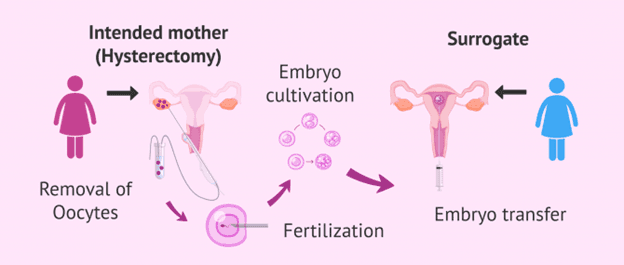
Here’s how the process enables biological motherhood:
Egg Retrieval: If the ovaries remain intact post-hysterectomy, eggs are retrieved through a minimally invasive procedure.
IVF Fertilization: These eggs are fertilized with sperm in a lab, forming embryos.
Surrogate Transfer: The healthiest embryo is transferred into a surrogate’s womb for pregnancy and delivery.
Globally, surrogacy success rates average around 55–60% per embryo transfer, while top clinics like Saraogi’s IRIS IVF Centre in Mumbai often achieve even higher outcomes thanks to advanced techniques and personalized protocols.
Dr. Mohit Saraogi, a distinguished Gynecologist and IVF Doctor in Mumbai, adds:
“Surrogacy bridges the gap between medical limitation and emotional fulfillment. When performed ethically and scientifically, it ensures the child is genetically yours, even when carrying the pregnancy isn’t possible.”
Curious about what it takes medically and legally to make surrogacy happen? Let’s break it down next.
Medical and Legal Aspects of Surrogacy after a Hysterectomy
Surrogacy involves both scientific precision and legal clarity. Understanding these requirements helps ensure a safe, ethical, and smooth process.
Medical Requirements:

- Ovarian Function Assessment: A fertility specialist first evaluates whether your ovaries are producing viable eggs.
- IVF and Embryo Creation: The process typically involves IVF and surrogacy after hysterectomy to create embryos using your eggs and your partner’s sperm.
- Surrogate Screening: The surrogate undergoes medical, psychological, and genetic screening to ensure her readiness for pregnancy.
Legal Requirements (India):
India follows the Surrogacy (Regulation) Act, 2021, which allows altruistic surrogacy — where no monetary compensation is provided except for medical expenses. Key legal steps include:
- Eligibility: Intended parents must be married and medically proven infertile due to uterus removal or similar conditions.
- Legal Documentation: All parties must sign consent forms and legal agreements approved by an authorized board.
- Embryo Transfer Permissions: Conducted only in registered ART or IVF clinics.
Dr. Mohit Saraogi, a renowned IVF Specialist in Mumbai, shares:
“Legal compliance is as vital as medical readiness. We ensure every step of the surrogacy journey aligns with India’s ethical and legal framework — protecting both the intended parents and the surrogate mother.”
Wondering how to begin this life-changing process? Let’s walk through the initial steps that set your surrogacy journey in motion.
Starting Your Surrogacy Journey
Embarking on gestational surrogacy after hysterectomy involves structured, step-by-step coordination between medical and legal teams.
Here’s how you can start:
Consult a Fertility Specialist: Begin with an evaluation to determine egg health, sperm quality, and overall reproductive viability.
Counseling and Education: Both partners should undergo counseling to understand emotional, financial, and ethical dimensions.
Surrogate Selection: Clinics like IRIS IVF Centre in Mumbai maintain databases of medically cleared surrogates.
IVF Procedure: Eggs and sperm are combined to create embryos in the lab.
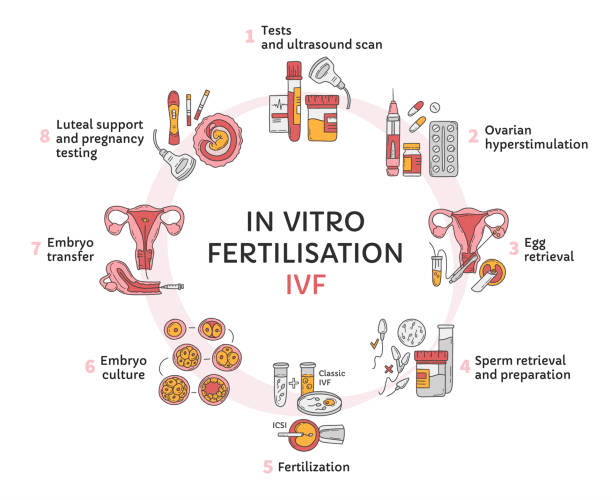
- Embryo Transfer & Monitoring: After successful transfer, pregnancy is closely monitored until delivery.
The entire process typically spans 12–15 months, including legal formalities and medical cycles.
Dr. Mohit Saraogi, an esteemed Reproductive Medicine Expert in Mumbai, emphasizes:
“Each surrogacy journey is unique. Our role is to guide couples through every stage — from selecting the surrogate to post-delivery care — ensuring medical precision and emotional comfort throughout.”
The physical steps are clear, but what about the heart? Let’s address the emotional side of surrogacy next.
Navigating the Emotions Involved in Surrogacy after a Hysterectomy
Feelings of grief, anxiety, or uncertainty are natural when facing surrogacy options after hysterectomy. Many women describe it as both a hopeful and emotionally charged experience.

Here’s how to manage these emotions effectively:
Acknowledge Your Feelings: Healing starts with accepting your emotions instead of suppressing them.
Seek Counseling: Professional counseling can help couples process loss and transition toward hope.
Join Support Groups: Connecting with others who’ve gone through similar experiences offers perspective and encouragement.
Celebrate Small Wins: Each step — from embryo creation to confirmation of pregnancy — is progress worth recognizing.
Dr. Mohit Saraogi, a compassionate Gynecologist and Fertility Expert in Mumbai, shares:
“Surrogacy isn’t just a medical process — it’s an emotional transformation. It’s okay to feel vulnerable. What’s important is having a support system that listens, understands, and reassures you through the journey.”
Now that we’ve explored the process and emotions involved, let’s see how the entire journey ties together in a meaningful way.
Conclusion
For women who’ve undergone a hysterectomy, surrogacy represents a second chance at motherhood — a bridge between medical necessity and emotional fulfillment. With technological advancements and compassionate care, surrogacy after hysterectomy allows you to have a biological baby without carrying the pregnancy yourself.
At leading fertility centers like Saraogi Hospital & IRIS IVF Centre in Mumbai, patients receive holistic support — combining advanced reproductive science, legal transparency, and heartfelt empathy. The center’s 35+ years of excellence, cutting-edge IVF technologies, and high success rates make it one of the most trusted destinations for surrogacy in Mumbai.
References:
https://my.clevelandclinic.org/health/articles/23186-gestational-surrogacy
https://www.americansurrogacy.com/parents/hysterectomy-and-surrogacy-options
Disclaimer: The information shared in this content is for educational purposes only and not for promotional use.
Still have questions about the journey? Let’s clear them up with some frequently asked ones below.
Frequently Asked Questions
1. Is it possible to conceive without using a surrogate after a hysterectomy?
No, pregnancy cannot occur naturally because a hysterectomy removes the uterus. You can use your eggs for surrogacy to have a biological child, though, if your ovaries are still there.
2. How much does surrogacy typically cost in India following a hysterectomy?
Depending on medical needs, IVF cycles, and surrogate-related costs, prices range from ₹12 to ₹20 lakhs. Transparent, personalized packages are available from clinics like Mumbai’s IRIS IVF Centre.
3. How does gestational surrogacy differ from traditional surrogacy?
By using her own egg, the surrogate becomes the biological mother in traditional surrogacy. In gestational surrogacy, the intended parents’ gametes are used to create the embryos, guaranteeing a genetic bond.
4. How long does it take to complete the surrogacy process after hysterectomy?
Typically, it takes 12–15 months, including screening, IVF, legal processes, and pregnancy.
5. What kind of emotional support is available during surrogacy?
Fertility centers offer counseling, support groups, and emotional coaching for intended parents to navigate the psychological aspects of surrogacy confidently.