
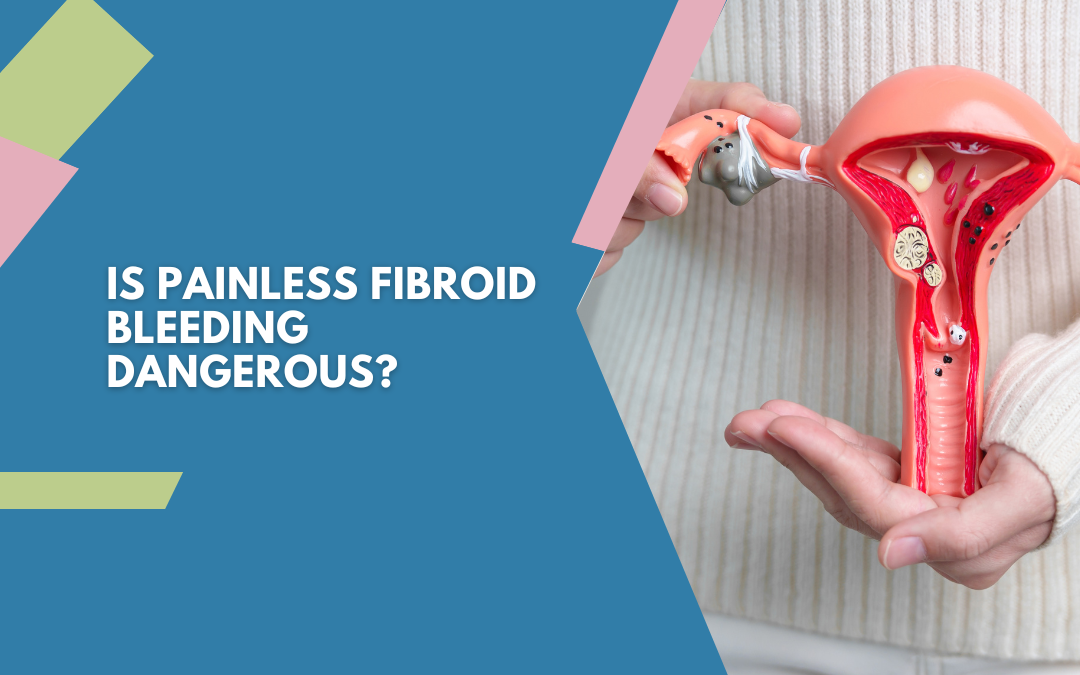
Unexpected bleeding may be quite scary especially when it is painless. Quite a number of women who have uterine fibroids see spotting or heavy bleeding but they feel fine physically. This situation brings about confusion, whether it is something harmless or a sign that needs to be attended to. Knowing the reason for painless fibroids bleeding will lessen the stress and also make getting help on time easier. Dr. Mohit Saraogi explains that bleeding without pain is a typical occurrence with fibroids, however, the bleeding pattern, amount, and timing are the factors which determine if a person is normal or needs medical assessment.
Saraogi Hospital is a specialized fertility, gynecology, and reproductive medicine center under the leadership of Dr. Mohit Saraogi. Having gained rich experience in handling complicated gynecological disorders and fertility problems, the team primarily leans on research, proven treatment methods and gives utmost consideration to individual care. A thorough investigation and a customized treatment plan will be especially helpful for women with fibroids that cause fertility problems or for those who want to get pregnant after a failed IVF attempt.
Why do fibroids cause bleeding without pain?
Let’s first grasp what these are.
Fibroids are benign tumors that develop in the muscular layer of the uterus. The major reason for bleeding is the change in the uterus, which is caused by fibroids, not nerve irritation, hence no pain.
Typical causes are the uterine lining’s increased surface area, compression of blood vessels, and hormonal sensitivity. In particular, submucosal fibroids that protrude into the uterine cavity are notorious for causing very heavy or irregular bleeding without pain. A hormonal imbalance between estrogen and progesterone may additionally exacerbate the bleeding pattern.
If bleeding feels unusual or frequent, a simple scan can clarify the cause. Early clarity brings peace of mind.
Painless bleeding is often considered low-risk when:
Bleeding occurs only during periods
The flow is a little heavier, but it remains regular
No bleeding in between periods
Hemoglobin levels are still normal
Size of the fibroid remains unchanged on ultrasound
No symptoms affecting fertility
In such cases, active treatment may not be required, and periodic monitoring is usually sufficient.
When does fibroid bleeding become risky?
Fibroid-related bleeding may appear to be a minor issue if it is not accompanied by pain; however, certain patterns of bleeding actually indicate a significant risk. Changes in menstrual bleeding frequency, duration, or fertility often lead to a medical evaluation even if the patient has no pain.
Bleeding between menstrual cycles
Spotting or bleeding outside the regular menstrual cycle means that fibroids are affecting the shedding of the uterine lining, which can increase blood loss and consequently the risk of anemia.
Prolonged or heavy menstrual bleeding
If your periods last more than seven days or involve an excessive flow, not treating the problem can lead to iron deficiency and chronic fatigue.
Recurrent drop in hemoglobin levels
Continuously low hemoglobin levels despite taking supplements indicate that there is an ongoing loss of blood through the fibroids and this situation needs to be checked further.
Fertility and pregnancy, related issues
When fibroid bleeding is associated with trouble getting pregnant, failure of implantation, or poor pregnancy results, it becomes a high, risk issue.
In general, fibroid bleeding is seen as a risk factor if it is constant, irregular, or starts to compromise one’s blood condition or reproductive capacity. Getting checked up early and managing the condition properly can help avoid problems and preserve the uterus’s health in the long run.
How is fibroid bleeding evaluated and treated?

Now let’s move on to the solutions.
Assessment is done through pelvic ultrasound, blood tests to check for anemia, and sometimes MRI or hysteroscopy for precise mapping. The course of treatment is decided based on the patient’s age, the severity of symptoms, the size of the fibroids, and whether the patient wants to have children.
There are various options available depending on medication, hormone therapy, and iron supplements, through minimally invasive procedures, to surgery. The fertility, preserving treatments are the first choice for women who want to become pregnant. Personalized care is aimed at providing relief from symptoms without undergoing unnecessary treatment.
Conclusion
Painless bleeding due to fibroids is a common symptom, but it is not something that one should ignore. Although bleeding in most cases can be controlled just by keeping an eye on the condition, bleeding accompanied by other symptoms or becoming worse to the point of disturbing daily activities and causing frustration means that one has to see a doctor. Early detection gives you the chance of proceeding with safer treatment options and ultimately to have a better chance of conception. Having a good understanding of the problem, fibroids can be treated efficiently without any harm to your health in the long run.
The right treatment is not always surgery. A tailored plan makes all the difference.
Frequently Asked Questions
Can fibroids bleed without causing pain?
Yes. Fibroids commonly cause bleeding due to changes in the uterine lining, and this often occurs without any associated pain.
Is painless bleeding from fibroids dangerous?
Not always. However, persistent or heavy bleeding should be evaluated to rule out anemia or other complications.
Which fibroids cause the most bleeding?
Submucosal fibroids are most likely to cause heavy or irregular bleeding because they grow into the uterine cavity.
Can fibroid bleeding affect fertility?
Yes. Fibroids that distort the uterine cavity can interfere with implantation and may affect pregnancy outcomes.
Can medicines control fibroid-related bleeding?
In some cases, hormonal medications and supportive treatment can help reduce bleeding and manage symptoms.
When should I see a doctor for fibroid bleeding?
You should consult a doctor if bleeding is heavy, prolonged, occurs between periods, or impacts your energy levels or fertility.