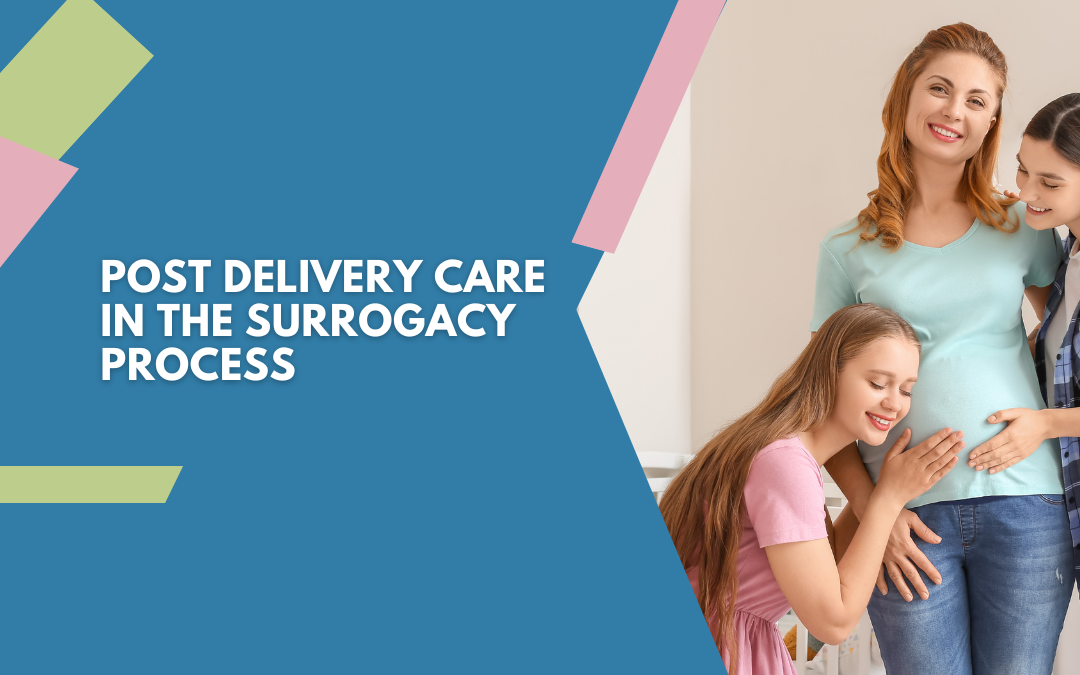
Surrogacy is a highly structured and medically supervised process, but the journey does not end with baby delivery. After childbirth, a surrogate mother’s body undergoes significant physical, hormonal, and emotional changes that require careful monitoring. Proper post-delivery health checkups are essential to ensure safe recovery, prevent complications, and restore overall well-being. Every surrogate’s recovery experience is unique and must be managed with personalized medical care.
Dr. Mohit Saraogi, a leading IVF specialist in Mumbai, explains, “The role of a surrogate mother is extraordinary, and her health remains our priority even after delivery. Postpartum monitoring is crucial to ensure complete physical recovery and emotional stability. Responsible surrogacy care extends beyond childbirth and focuses on long-term health protection.”
Saraogi hospital as one of the best IVF Centre In Mumbai, provides structured post-delivery follow-up programs that are designed to safeguard the surrogate mother’s recovery with medical precision and compassionate support. In this article, we explain the importance of health checkups for surrogate mothers after baby delivery in the IVF surrogacy process.
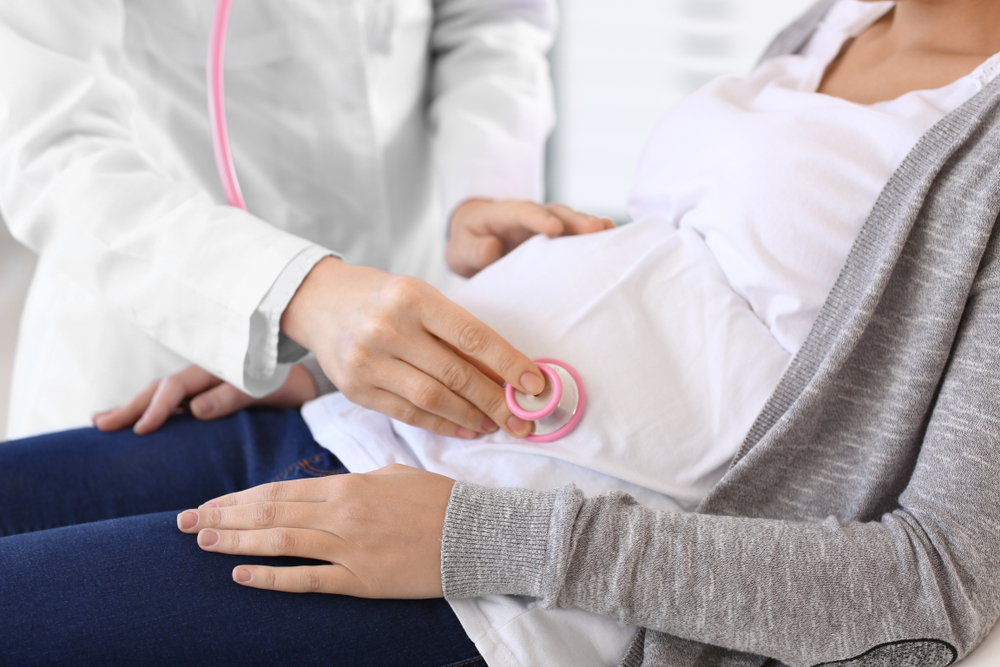
Why Post-Delivery Health Checkups Are Important for Surrogate Mothers
Immediately after childbirth, the female body faces extreme physical and hormonal changes. In the case of surrogate mothers, the follow-up of medical conditions can trace the recovery from pregnancy and the stresses related to delivery, including all medicines that might have been used in the conception process via IVF.
Regular checkups help:
Detect postpartum complications early

Monitor Blood Pressure and Bleeding

Ensure proper uterine involution

Support safe hormonal stabilization

Safeguard long-term reproductive health
Comprehensive post-delivery monitoring ensures that the surrogate mother transitions safely back to normal health.
If you are planning or managing a surrogacy journey, structured post-delivery care ensures safety and long-term well-being.
Immediate Post Delivery Care and Hospital Monitoring
The first 24 to 72 hours after delivery are critical. In these hours, doctors closely monitor:
- Blood Pressure and Vital Signs
- Postpartum bleeding
- Uterine Contraction and Recovery
- Surgical wound healing in case of cesarean delivery
- Signs of Infection
There is encouragement of pain management, hydration, and movement to avoid complications such as blood clots. Suitable hospital monitoring is essential to ensure the safe discharge of the patient.
Essential Medical Tests and Physical Recovery Monitoring

Even after discharge, follow-up visits are needed. They may comprise:
- Complete blood count test for anemia
- Blood Pressure Evaluation
- Blood sugar testing if gestational diabetes was present
- Ultrasound is required to assess uterine recovery
- Wound Inspection after Cesarean Section
Doctors also keep an eye on menstrual cycle return and physical strength. Timely medical checking helps avoid long-term health risks and ensures full recovery.
Emotional Well-Being and Hormonal Health After Surrogacy
Hormonal changes can influence the emotions of a woman after giving birth. Surrogate mothers can have temporary mood swings, tiredness, and emotional instability due to hormonal changes.
Psychological counseling and family support are crucial in maintaining stability in terms of emotions. Good communication with the medical teams can help in recognizing any potential signs of postpartum depression and anxiety.
Emotional well-being is as important as physical well-being in the process of IVF Surrogacy.
Conclusion
Checkups of the surrogate mothers after the delivery of the baby is a significant component of IVF surrogacy services. From hospitalization to hormonal and counseling therapy, these services normally provide support to health and future reproductive health.
With medical supervision, the surrogate mothers can regain their full health confidently and safely after their remarkable journey.
Postpartum recovery deserves attention and expert monitoring to ensure complete physical and emotional healing.
Frequently Asked Questions
How long should a surrogate mother continue post-delivery checkups?
Regular follow-ups are advised for at least six weeks after delivery, with additional visits if medical concerns arise.
Are hormonal changes normal after surrogacy delivery?
Yes, hormonal fluctuations are natural after childbirth and usually stabilize within a few weeks.
Is emotional support necessary after surrogacy?
Yes, emotional counseling and support help ensure mental well-being during the postpartum phase.
Can a surrogate become pregnant again in the future?
Yes, after proper medical evaluation and adequate recovery, a future pregnancy is possible unless medically contraindicated.
What medical complications should a surrogate watch for after delivery?
Excessive bleeding, severe abdominal pain, high fever, persistent headaches, or sudden swelling should be reported to a doctor immediately, as they may indicate postpartum complications.
When do menstrual cycles usually resume after surrogacy delivery?
Menstrual cycles typically return within six to eight weeks if the surrogate is not breastfeeding, though this may vary depending on individual hormonal recovery.